Dry Needling Therapy in Islamabad
What is Dry Needling?
Dry needling is a non-injection technique used by physiotherapists to stimulate targeted reactions in the body’s soft tissues. It uses thin, sterile, single-use filament needles — the same type used in acupuncture, but the technique and purpose are different. This is a safe procedure with very rare side effects, and it’s part of how modern physical therapy embraces innovative treatment approaches.
Our treatment focuses on reducing muscle pain and dysfunction by targeting myofascial trigger points — small, tight knots that develop within muscle tissue. These trigger points often form in injured or overused areas and can lead to pain syndromes affecting the neck, shoulder, back, hip, and heel. Dry needling for back pain, neck pain, and shoulder pain is one of the most requested treatments among patients looking for the physiotherapist in Islamabad best suited to address chronic muscular discomfort.
Conditions That Benefit From Dry Needling
- Neck and Back Pain — releases deep trigger points that manual therapy alone may not reach
- Shoulder Pain — helps relieve tension from rotator cuff issues and shoulder impingement
- TMJ Pain — dry needling can ease jaw tension and myofascial pain around the jaw
- Fibromyalgia — supported by research as an effective approach for managing widespread muscular pain
- Hip and Heel Pain — targets trigger points contributing to chronic discomfort in these areas
- Myofascial Pain Syndrome — directly addresses the tiny muscle knots causing pain and restricted movement
- Sports and Overuse Injuries — supports faster recovery from strained or overworked muscles
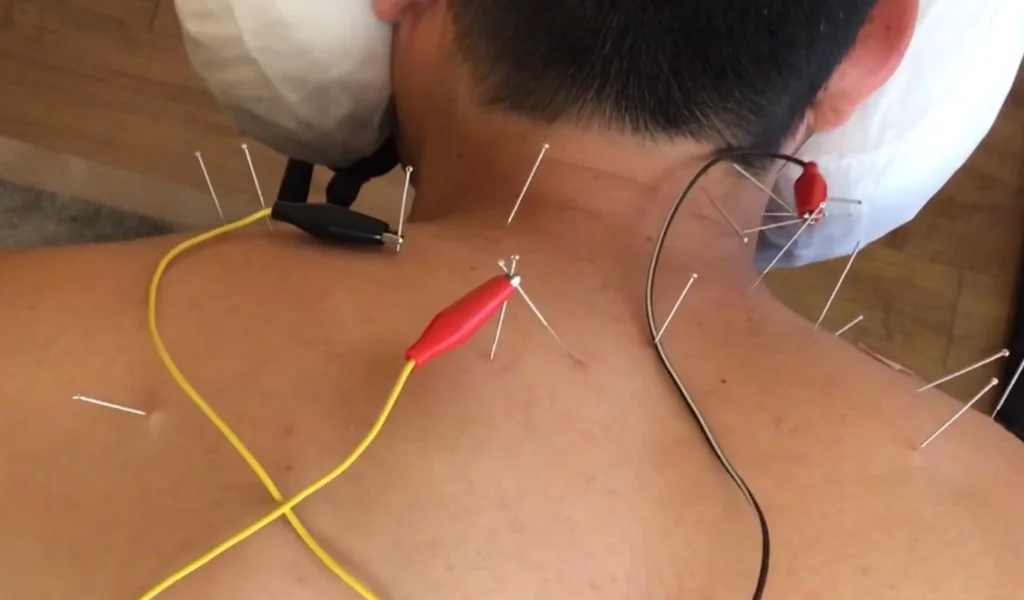
Dry Needling Procedure — Step by Step
Manual Examination
Your physiotherapist identifies the exact area of suspected trigger points through a hands-on assessment.
Preparation
The treatment area is properly assessed and sterilized before beginning.
Needle Insertion
A thin, sterile needle is inserted 5–10mm into the trigger point for about 30 seconds, sometimes repeated.
Removal & Inspection
Needles are safely removed and discarded, and the area is checked for any reaction.
How Does Dry Needling Help?
When needles are inserted into trigger points, it elicits a relaxation response in the muscle. Since no medication is delivered, this procedure is called “dry” needling. The effect is pain relief through releasing pressure on muscles, nerves, and connective tissue — improving blood flow, reducing inflammation, and accelerating the body’s natural healing process.
Dry Needling Therapy at PT of City
Our physiotherapists perform a detailed, comprehensive assessment before every dry needling session. At PT of City, we believe in a one-on-one, personalized treatment approach — because every patient’s condition, anatomy, and pain source is different. Rather than relying on generic techniques, our individualized treatment plans are designed to properly address the root cause of your pain, ensuring real, lasting results — for patients across Islamabad, DHA Islamabad, and Rawalpindi.
What to Expect After Dry Needling
Our Dry Needling therapy sessions follow a careful, step-by-step process:
- Mild soreness for up to 24 hours is common — avoid intense activity right after your session
- As soreness fades, most patients notice real improvement in their condition
- Chronic trigger points may reappear, so a follow-up session could be recommended
- Most patients need 2–3 sessions on average; complex cases may require up to 5
When Should Dry Needling Be Avoided?
While generally safe, kinesio taping isn’t suitable in every situation. It should be avoided in cases of:
Active Infections
Needling near infected or broken skin can increase risk of complications.
Bleeding Disorders
Increased bleeding risk makes dry needling unsuitable for some patients.
Needle Phobia
Patients with a strong fear of needles may not be suitable candidates.
Pregnancy (Certain Areas)
Some trigger points should be avoided during pregnancy — your physiotherapist will assess safely.
Benefits of Dry Needling
- Provides fast, effective pain relief
- Improves mobility and range of motion
- Increases blood flow and circulation
- Accelerates the body's healing process
- Reduces chronic pain conditions like fibromyalgia
- Releases muscle tension at the source